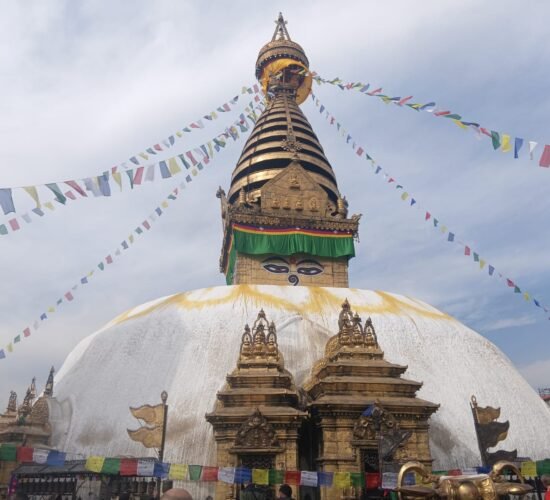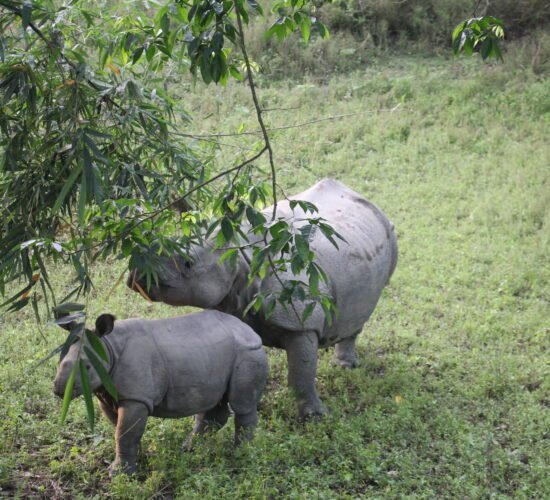
Nepal, also known as the “Land of the Himalayas,” is a place with amazing scenery and life-changing events. With its towering Everest and Annapurna peaks, verdant valleys, placid lakes, and meandering rivers, Nepal provides the ideal balance of peace and adventure. You can safely and comfortably explore these natural wonders with Asian Heritage Travel, under the direction of our team of experts. Ancient temples, stupas, palaces, and colorful festivals that showcase the diversity of its people can be found in Nepal, a country rich in culture and tradition.
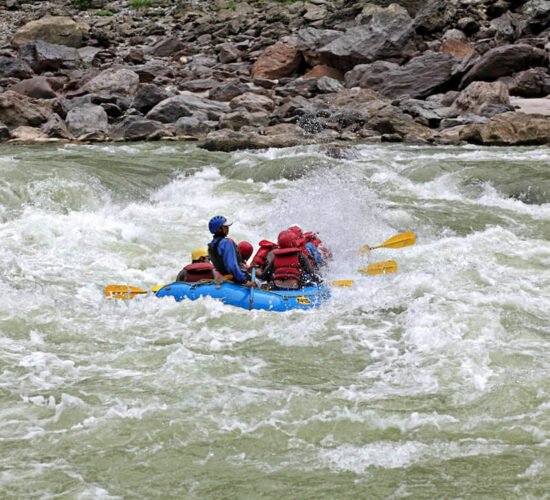
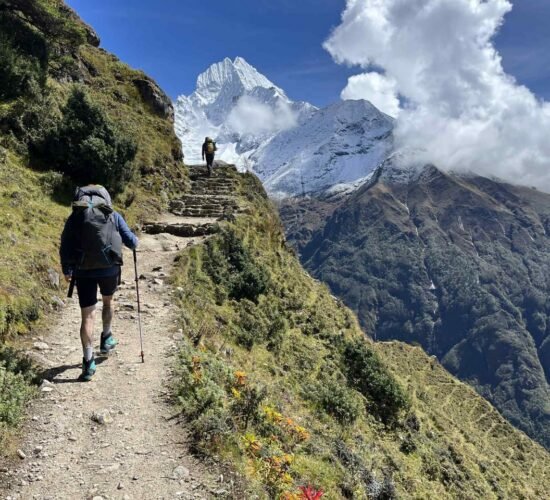
We design trips that go beyond simple sightseeing, providing genuine encounters and deep connections with local people to make your trip memorable and enriching. Whether you’re looking for exhilarating hikes, mountaineering excursions, rafting, or tranquil getaways in charming villages and monasteries, we plan every trip to guarantee sustainability, comfort, and safety. Every trip through Nepal becomes more than just a vacation when you work with Asian Heritage Travel; it becomes an absolutely remarkable experience.
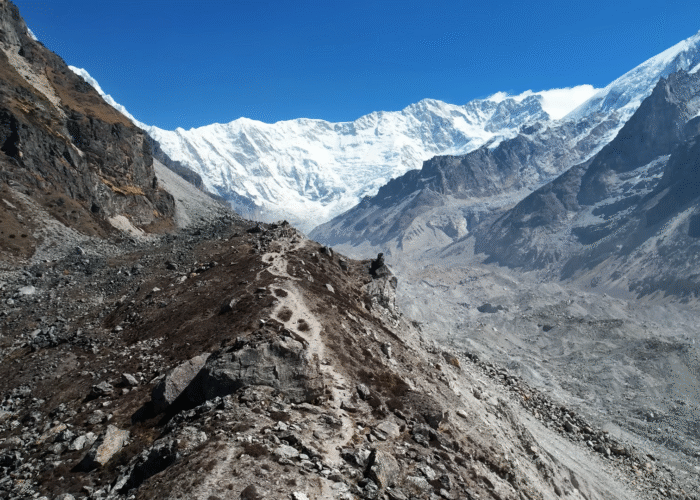
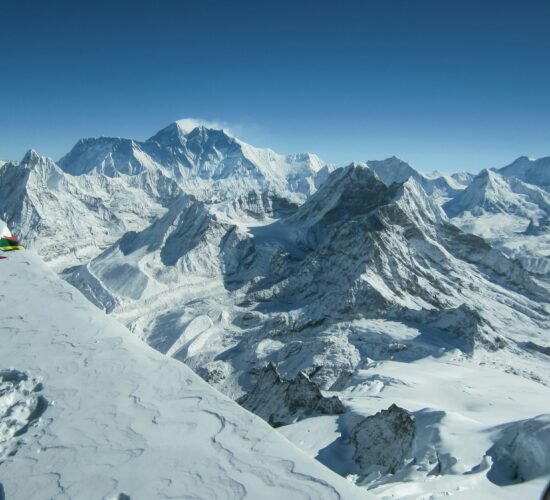
Eastern Nepal is situated between the Koshi River in the west and the Mechi River in the east, bordering India and Tibet. The region is extremely diverse both in elevation and geography, rising from the fertile Terai plains in the south to the dense middle hills with terraced agriculture and tea gardens, and to the high Himalayas in the north. The region has some of the tallest mountains in the world, including Mount Everest, Kanchenjunga, and Makalu.
It is home to deep valleys, rivers, and forests. The rivers of Eastern Nepal including the Koshi, Tamor, and Arun, create great fertile plains and exceptional biodiversity. The climate in Eastern Nepal varies from subtropical in the south to alpine in the mountains.
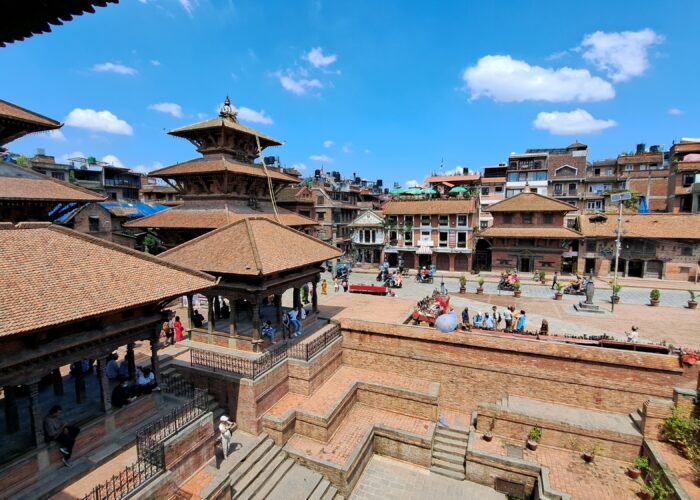
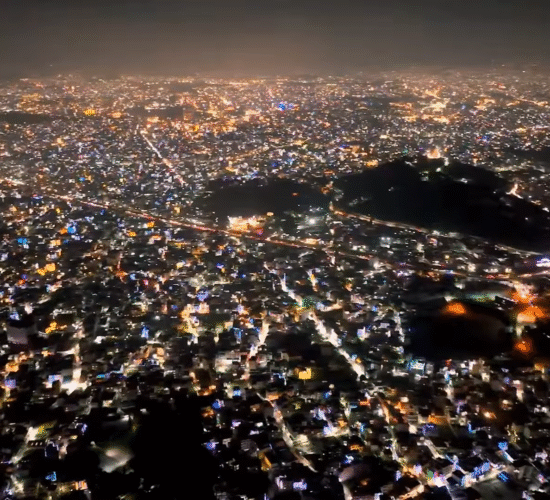
The central region of Nepal lies between the Koshi River in the east and the Gandaki River/Narayani Rivers in the west, making this region the heart of the country. The Kathmandu Valley lies in the center of the region, which is the political and cultural center of the country. The Kathmandu Valley is surrounded by rolling hills and mountains covered in forests. The northern part of the region is characterized by lower elevations of Himalayan ridges and peaks, while the southern part consists of fertile Terai plains that are well-suited for agriculture. Several major river systems, including the Bagmati, Trishuli, and Narayani, contribute their waters to this region.
The rivers carve the valleys within this region and create numerous and diverse ecosystems. The climate of central Nepal ranges from temperate to subtropical, featuring snow in the northern hills and hot and humid plains in the Terai, as well as lush, green hillsides in the central area.
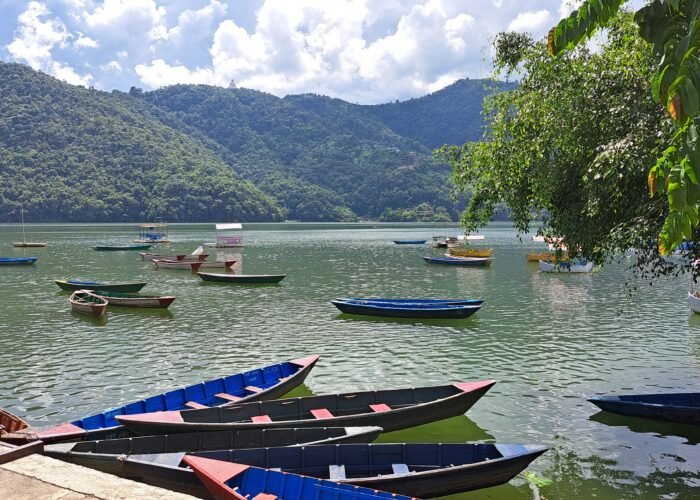
Western Nepal spans from the Gandaki River in the east to the Mahakali River in the west, sharing borders with both India and Tibet. It boasts the lofty Himalayas that include Dhaulagiri, Annapurna, and Manaslu mountains, rolling mid-hills, and the fertile Terai plains in the south. Rivers such as the Gandaki, Karnali, and Mahakali have carved extensive gorges, valleys, and floodplains that support a wealth of agricultural and wildlife diversity.
Grain and wild oats, green and lush forests, alpine meadows, and subtropical lowlands maintain varied ecosystems in Western Nepal, with the Terai region experiencing warm tropical, temperate mid-hills, and alpine and snow-covered mountain regions. In terms of climate, Western Nepal is a remarkable land of contrasts.