
Accommodation in Nepal offers a diverse range of options that cater to every type of traveler, from comfortable city stays to remote Himalayan experiences. In major tourist hubs like Kathmandu and Pokhara, visitors can choose from luxury hotels, boutique properties, and budget-friendly accommodations, all providing modern amenities combined with Nepal’s renowned hospitality. These urban stays are ideal for cultural tours, leisure travel, and pre- or post-trek relaxation.
If you’re planning a trip into the mountains via such well-known trekking paths as Everest Base Camp or Annapurna Base Camp, then be prepared to spend your nights at teahouses and lodges. The accommodation there will resemble that at a family business with very comfortable rooms, delicious local food, and a friendly atmosphere created by fellow travelers over dinner.
There are other types of accommodation in Nepal, mostly in the remote areas, where there are no lodges. If you plan to travel along such trails, then you can expect full camping services provided by your company – tents and a crew that takes care of everything.
High mountain expeditions that take people to places such as Mount Everest involve camping exclusively. Organized base camps offer amenities including food, communication, and healthcare services, while higher camps have alpine tents that suit harsh environments.
Accommodation in Nepal, during tours, provides not only comfort but also a window into the country’s rich culture, vibrant traditions, and stunning landscapes. Travelers visiting some of the most sought-after locations, such as Kathmandu, Pokhara, Chitwan, and Lumbini, have several lodging options to choose from, depending on their preferences and requirements.
There are luxurious heritage hotels that combine the comforts of contemporary accommodation with Nepalese architectural features; there are also cozy boutiques that offer a unique ambience and comfort, as well as budget hotels that provide practical, yet comfortable and neat, accommodation. In addition, some accommodation in Nepal offers visitors the opportunity to experience local culture themselves by treating them with freshly cooked Nepalese cuisine or giving them time to relax while viewing the magnificent Himalayas.
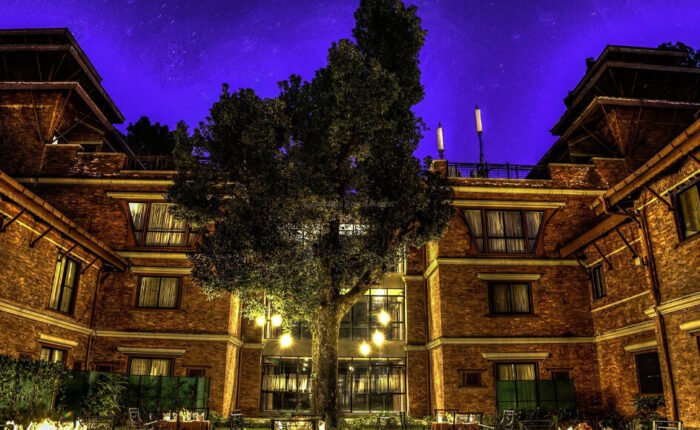
Luxury hotels in Nepal combine world-class comfort with traditional architecture and warm hospitality, offering elegant rooms, fine dining, spa facilities, and curated cultural experiences for a refined and memorable stay.
Some notable examples include:
These hotels are ideal for high-end travelers, honeymooners, and luxury tour packages.
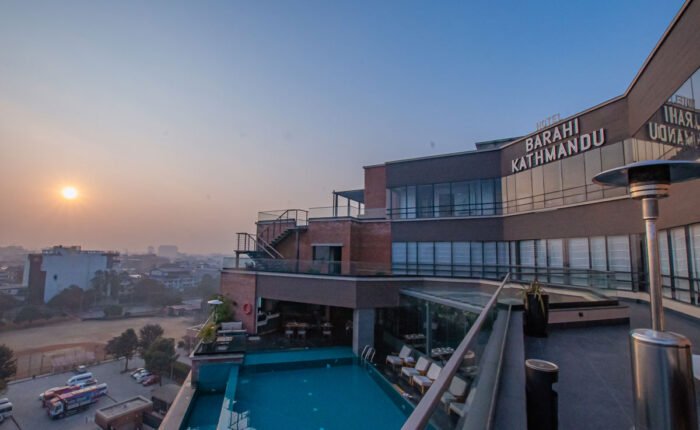
Boutique hotels are smaller, stylish properties that focus on personalized service and unique design. Many reflect local culture and provide a more intimate atmosphere compared to large hotels.
Some notable examples include:
These are perfect for travelers looking for comfort with a cultural touch.
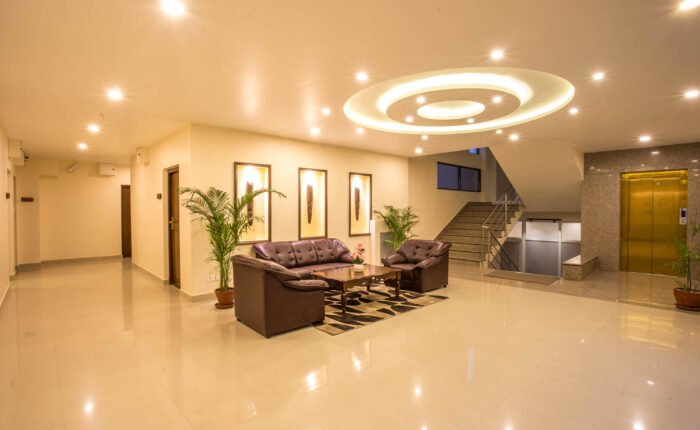
Standard hotels in Nepal are widely used for tour packages, offering a balance of comfort and affordability with facilities like attached bathrooms, Wi-Fi, restaurants, and reliable room service.
Some notable examples include:
These hotels provide reliable comfort and modern facilities, ensuring a pleasant and hassle-free stay while exploring Nepal’s cultural and natural highlights.
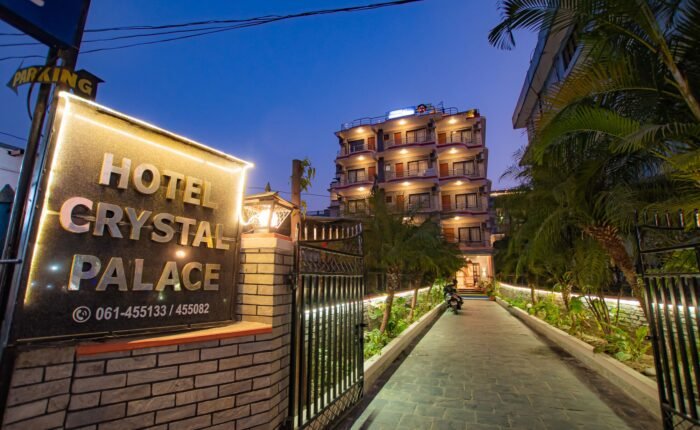
Budget hotels provide simple, clean, and affordable accommodation, especially in tourist areas like Thamel and Lakeside. While facilities are basic, they offer great value for money.
Some notable examples include:
These are ideal for backpackers and budget-conscious travelers.
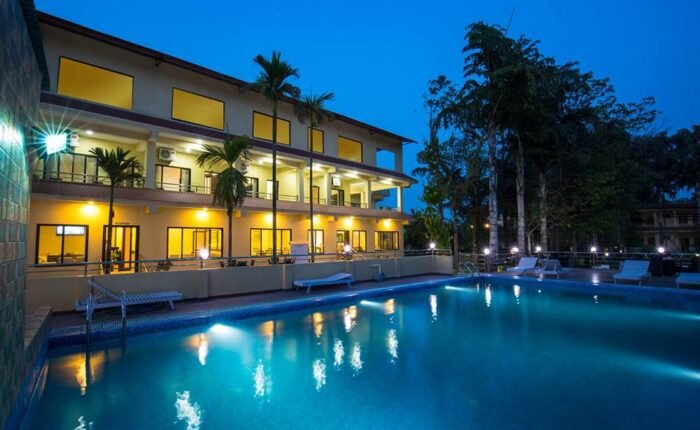
In destinations like Chitwan National Park, accommodation often comes in the form of jungle resorts that provide a nature-focused experience along with guided activities.
Some noteable example include:
These stays combine comfort with wildlife experiences such as jungle safaris and cultural programs.
Accommodation in Nepal during the trekking journey is not merely a resting place; it is an inseparable element of the journey, offering unique insights into the way of life and traditions of Himalayan communities. Accommodation in Nepal for trekkers along major trekking trails, including Everest Base Camp, Annapurna Base Camp, and Langtang Valley, consists of friendly, hospitable teahouses and mountain lodges that provide simple yet comfortable accommodation and delicious hot meals served by local people.
Accommodation in Nepal during trekking is especially memorable in traditional teahouses, where warm fireplaces, freshly cooked meals, and friendly conversations create a cozy and welcoming atmosphere. As you move to higher altitudes, facilities become more basic, but the breathtaking views of the Himalayas and the unique mountain experience more than make up for it.
In case of remote areas without any accommodation, a complete arrangement for tented camping is organized by the travel company with all necessary equipment and experienced crews. Irrespective of the form of accommodation chosen by travelers, it becomes an essential element of the exciting journey in Nepal.
Teahouses offer a cozy and social environment, allowing trekkers to interact with locals and fellow travelers. However, facilities become more basic as altitude increases.
They provide:
Meals are freshly prepared and typically include local staples like dal bhat, noodles, soups, and tea.
In more developed trekking regions, upgraded lodges offer enhanced comfort.
Features may include:
These lodges are ideal for trekkers who want added comfort without sacrificing the trekking experience.
Luxury lodges are designed for high-end trekking experiences. Found mainly in the Everest and Annapurna regions, they provide:
This option is increasingly popular among travelers seeking adventure without compromising on comfort.
Community lodges are operated by local communities, with profits reinvested into village development.
They offer:
In remote regions where teahouses are unavailable—such as Dolpo or Kanchenjunga—trekking is conducted using fully supported camping.
This includes:
Camping treks provide access to untouched and less-traveled areas, though they require more logistics and cost.
Accommodation in Nepal during high-altitude expeditions is designed to keep climbers safe, comfortable, and focused in some of the world’s most extreme environments. On the base camps of famous mountains such as Mount Everest, Manaslu, and Kanchenjunga, climbers reside in properly organized tented camps, which provide facilities such as sleeping tents, dining tents, and all necessary services that are operated by professional expedition crews
Accommodation in Nepal during high-altitude expeditions becomes minimal yet highly functional at higher camps, where climbers stay in lightweight alpine tents set up in extreme conditions. Every aspect, from cooking meals to storing equipment and resting, is carefully managed to ensure safety and provide the best possible conditions for a successful summit.
Despite the simplicity of expedition camps, one can expect an unforgettable adventure experience in the form of stunning sunrises over majestic Himalayas, meeting with fellow climbers, and being completely immersed in the magic atmosphere created by unspoiled nature. In this way, accommodation in Nepal during expeditions serves not only as shelter but also as an important part of adventure activities in the Himalayas.
At base camp, climbers stay in well-organized tented camps set up by expedition teams.
Facilities typically include:
Despite the remote location, base camps are often surprisingly well-equipped.
Above base camp, accommodation becomes more minimal and functional.
Climbers use:
These camps are designed for survival in extreme conditions rather than comfort.
Most expeditions follow a combination approach:
Also Read: Homestays vs Hotels